Computer

Bogdan’s Blog

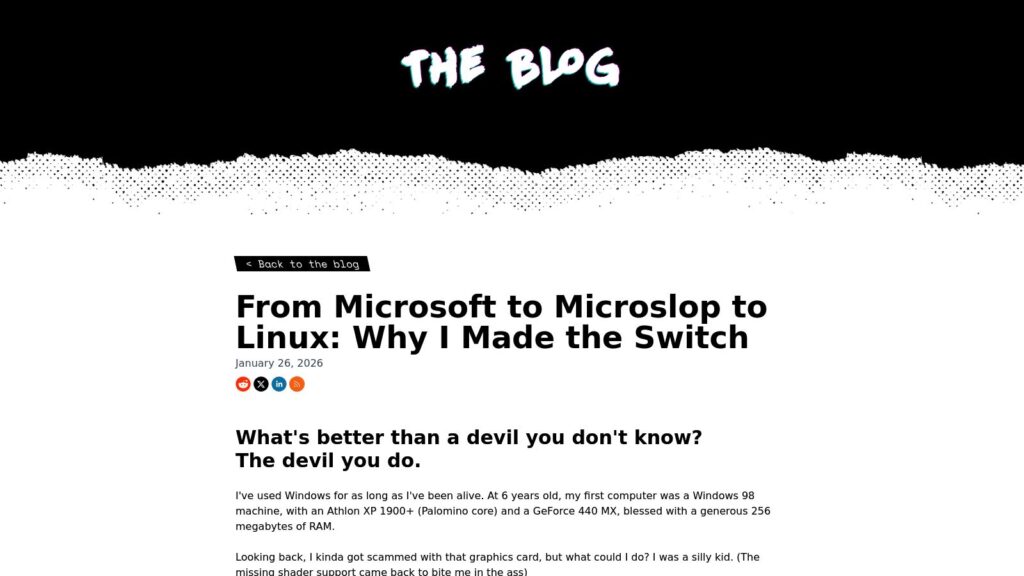
TLDR: The author switched from Windows to Linux after two decades due to frustrations with Microsoft's intrusive updates, ads, and bugs. Key issues included forced updates that caused system instability and unnecessary features. After trying Linux and facing challenges, they found it ultimately more reliable and user-friendly for their needs, especially in software development and content creation, despite some limitations in gaming and 3D modeling. They criticize Microsoft's evolving practices as detrimental to user experience.
https://www.himthe.dev/blog/microsoft-to-linux

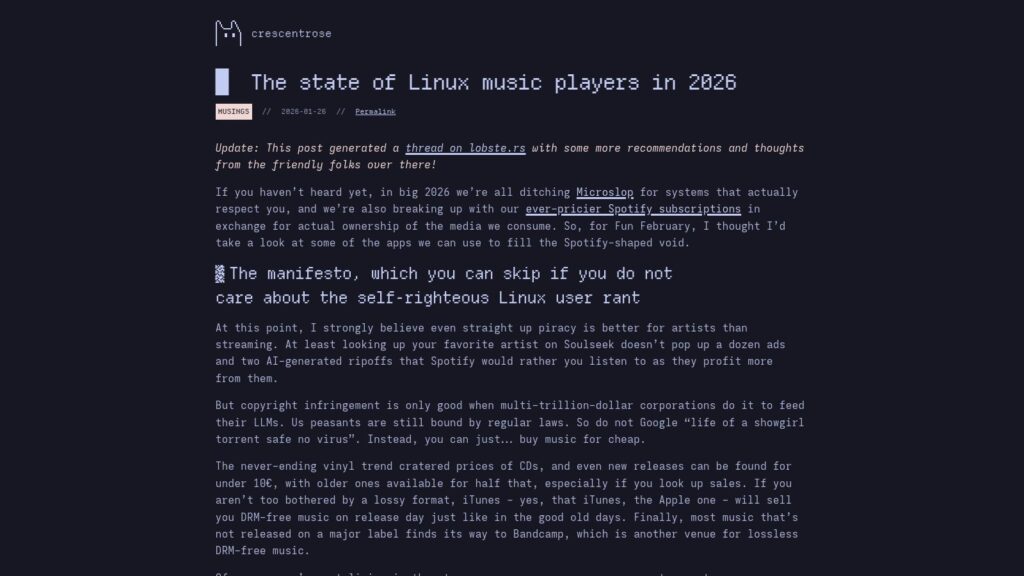
The State of Linux Music Players in 2026

In 2026, users are moving away from mainstream services like Microsoft and Spotify in favor of Linux music players that support media ownership. The article reviews various players, emphasizing features such as user-friendly interfaces and library management. Key players include:

  • Amberol: Simple and minimal, great for casual use.
  • Euphonica: MPD client with good features, stylish design but some quirks.
  • Feishin: Fully-featured and user-friendly for self-hosted services, despite Electron-based drawbacks.
  • Lollypop: Innovative but has a clunky user experience.
  • Recordbox: Offers a smooth onboarding and good library management.
  • Tauon: Tailored for power users, with extensive features and network source support.
  • Strawberry & Clementine: Classic options with outdated interfaces but functional.

Overall, the landscape for Linux music players is improving, providing users with diverse, customizable options for music enjoyment.

https://crescentro.se/posts/linux-music-players-2026/

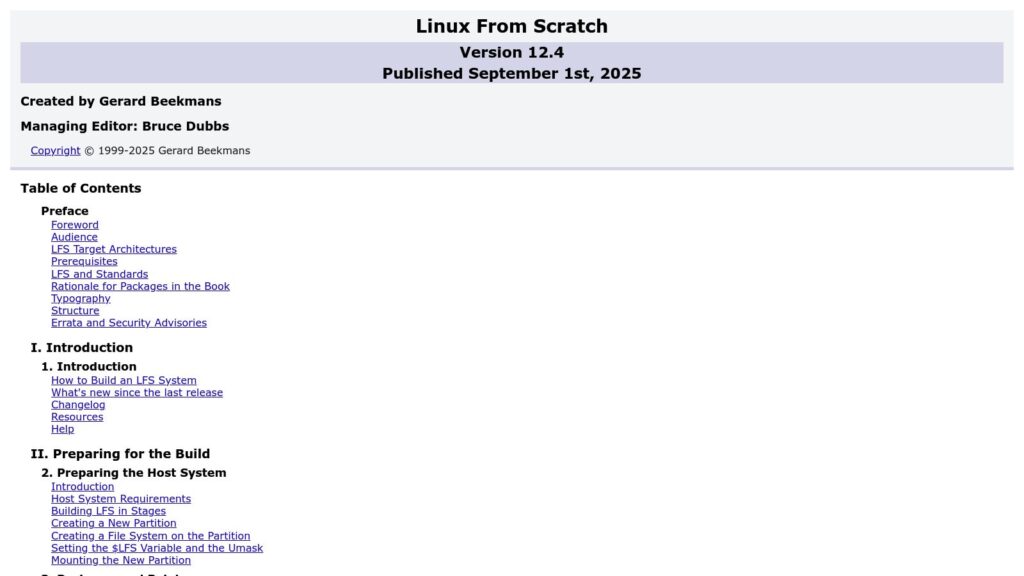
Linux From Scratch

Linux From Scratch 12.4, published September 1, 2025, by Gerard Beekmans, guides users through building a complete Linux system from source code. It includes sections on preparation, building the software toolchain, system configuration, and making the system bootable, aiming for audiences interested in LFS and practical Linux skills. The document outlines prerequisites, architecture choices, and the rationale behind package selections.

https://www.linuxfromscratch.org/lfs/view/stable/

Does Software Piracy Exist?

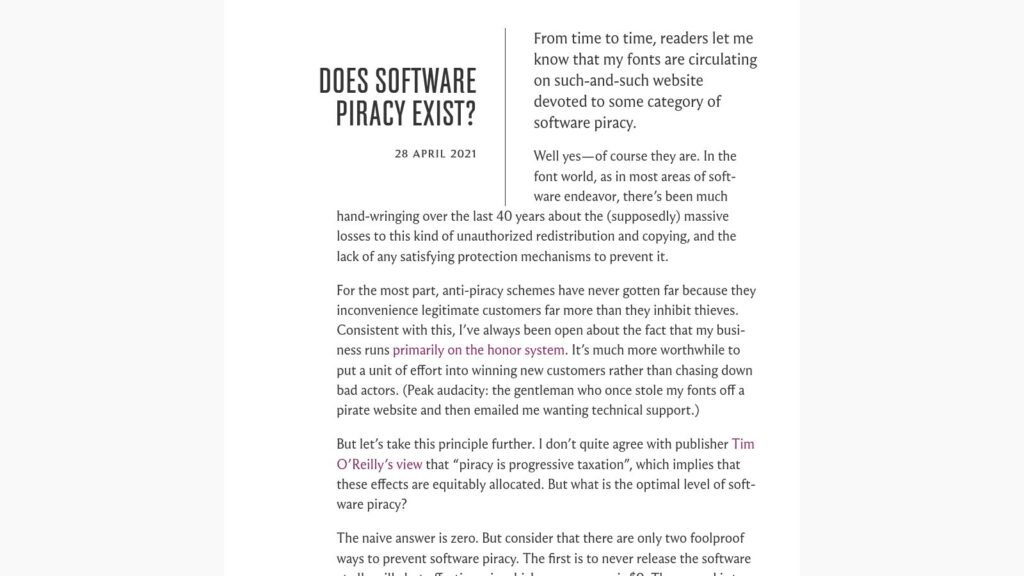
Software piracy exists; fonts circulate on pirate sites. Anti-piracy efforts often harm legitimate customers more than deter theft. The author's business relies on an honor system and focuses on attracting new customers instead of chasing pirates. There’s a debate over the optimal level of piracy: both complete prohibition and total freedom yield $0 in revenue. There's a rational-choice argument that, given two revenue scenarios, the one with higher piracy is preferred, emphasizing real revenue. The notion that piracy reduces sales assumes that pirates would buy the product if piracy were stopped, which isn’t true; most are not potential customers.

https://matthewbutterick.com/chron/does-software-piracy-exist.html

I Dumped Windows 11 for Linux, and You Should Too

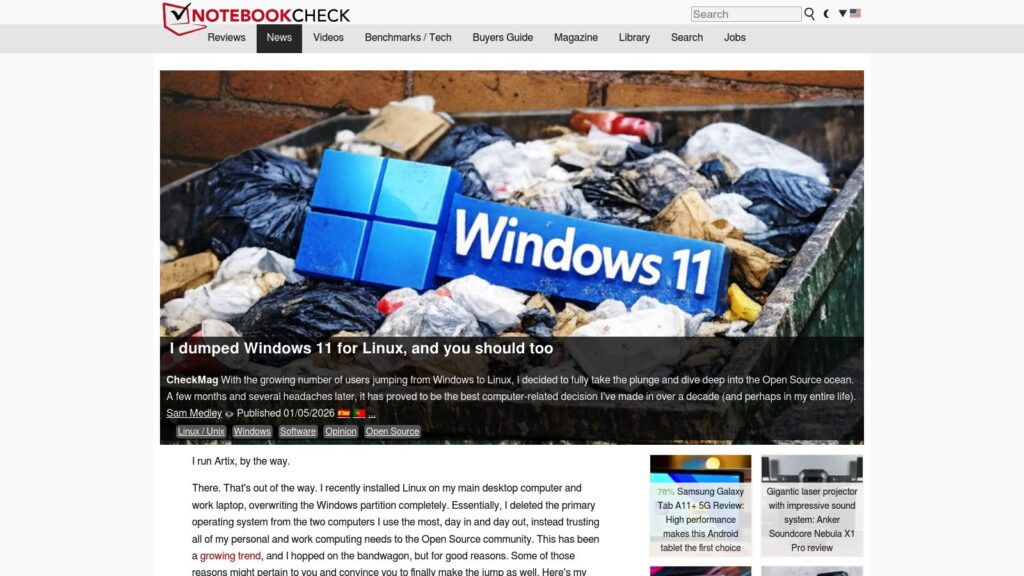
Switched from Windows 11 to Linux, finding it a rewarding experience after frustrations with Windows' telemetry, instability, and crashes. After trying various distros and ultimately choosing Artix for its speed and control, I faced challenges with driver installations and software availability but enjoyed the flexibility and system performance. Linux reignited my interest in computing, providing a stable and enjoyable environment, making it a worthwhile transition from Windows.

https://www.notebookcheck.net/I-dumped-Windows-11-for-Linux-and-you-should-too.1190961.0.html

Everyone Hates OneDrive, Microsoft’s Cloud App That Steals Then Deletes All Your Files

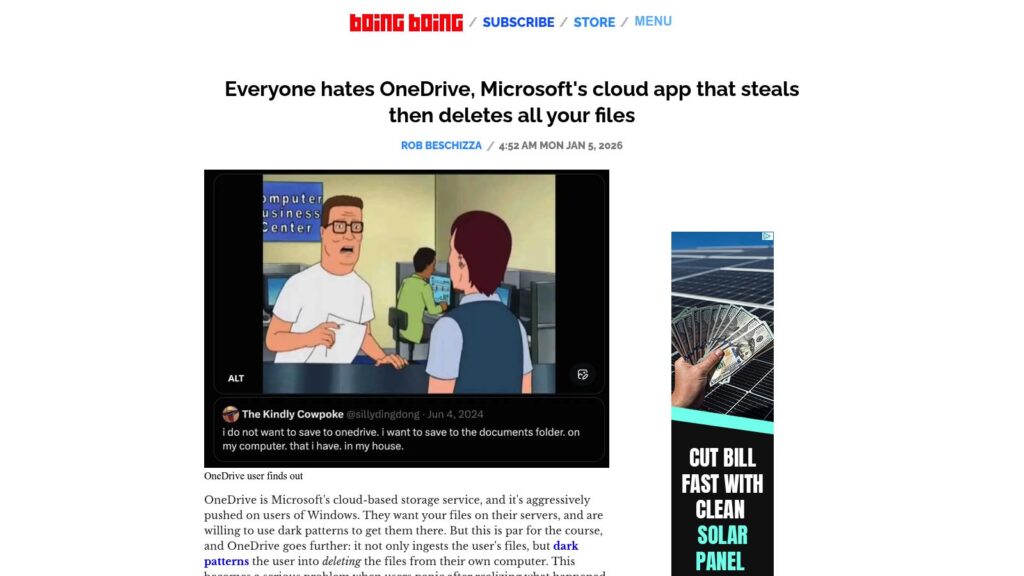
OneDrive, Microsoft's cloud storage, is criticized for stealthily uploading and deleting user files without clear warnings, leading to user panic. When attempting to manage files, users may inadvertently erase data from their own computers. This deceptive design has been likened to a ransomware attack, complicating file management and control. Users are advised to consider alternative operating systems for better data security.

https://boingboing.net/2026/01/05/everyone-hates-onedrive-microsofts-cloud-app-that-steals-then-deletes-all-your-files.html

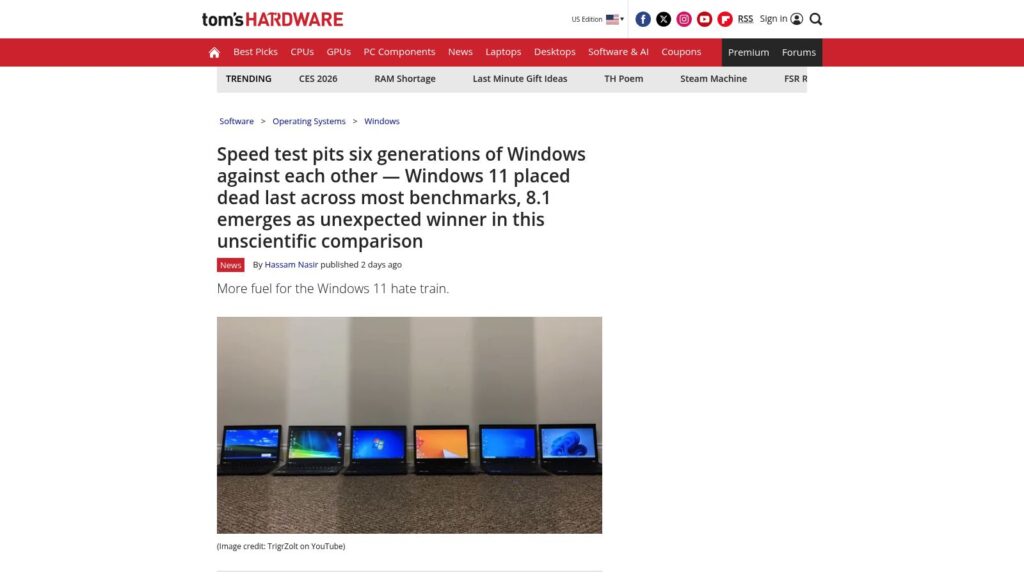
Speed Test Pits Six Generations of Windows Against Each Other — Windows 11 Placed Dead Last Across Most Benchmarks, 8.1 Emerges as Unexpected Winner in This Unscientific Comparison

Windows 11 ranked lowest in a recent speed test comparing six Windows generations, with Windows 8.1 unexpectedly performing best. Factors for Windows 11's poor performance include higher system demands and UI issues.

https://www.tomshardware.com/software/windows/speed-test-pits-six-generations-of-windows-against-each-other-windows-11-placed-dead-last-across-most-benchmarks-8-1-emerges-as-unexpected-winner-in-this-unscientific-comparison

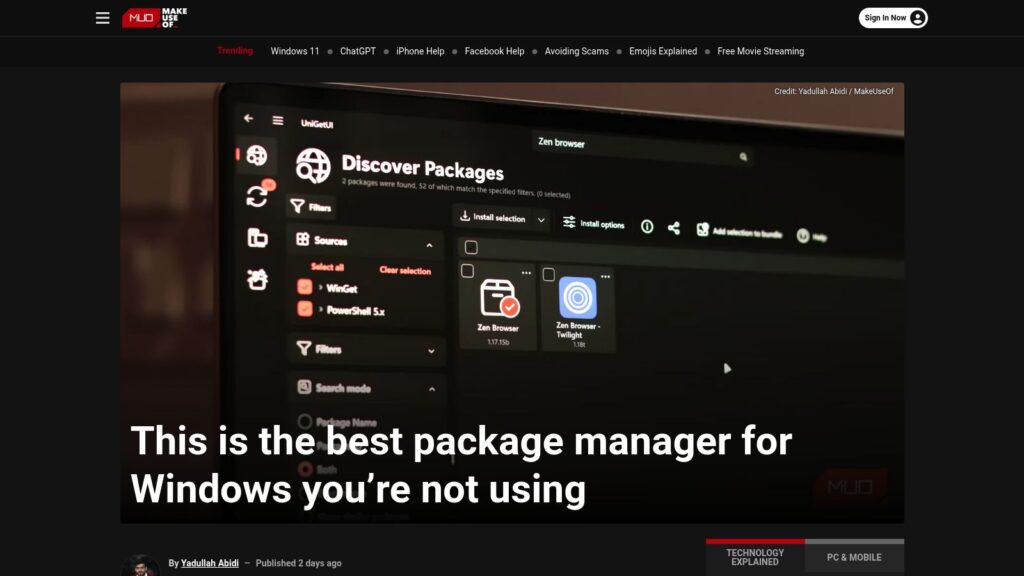
This Is the Best Package Manager for Windows You’re Not Using

UniGetUI is a new, user-friendly package manager for Windows that combines several existing package managers (like Winget and Chocolatey) into a single interface. It simplifies app installations, updates, and management, allowing users to search and install software across multiple sources without command-line usage. Key features include bulk installations, background update checks, and the ability to create and share app bundles. UniGetUI is free, open-source, and aims to streamline the often frustrating app management experience on Windows.

https://www.makeuseof.com/best-package-manager-for-windows/

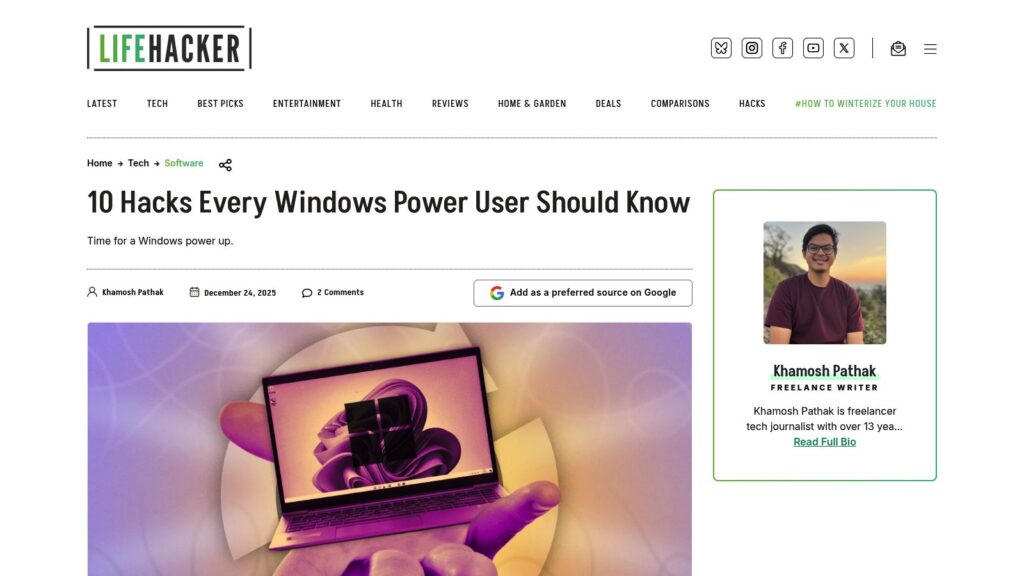
10 Hacks Every Windows Power User Should Know

TLDR: Ten Windows hacks enhance productivity: 1) Use Command Palette for efficient control; 2) Replace File Explorer with the better Files app; 3) Customize the taskbar/start menu with ExplorerPatcher or Start11; 4) Transform UI with Seelen; 5) Improve dark mode using PowerToys; 6) Utilize Snap layouts for window organization; 7) Streamline app management with Winget or UniGetUI; 8) Access clipboard history with Windows + V; 9) Focus using the Clock app’s Focus Sessions; 10) Create custom keyboard shortcuts via PowerToys.

https://lifehacker.com/tech/best-hacks-for-windows-power-users

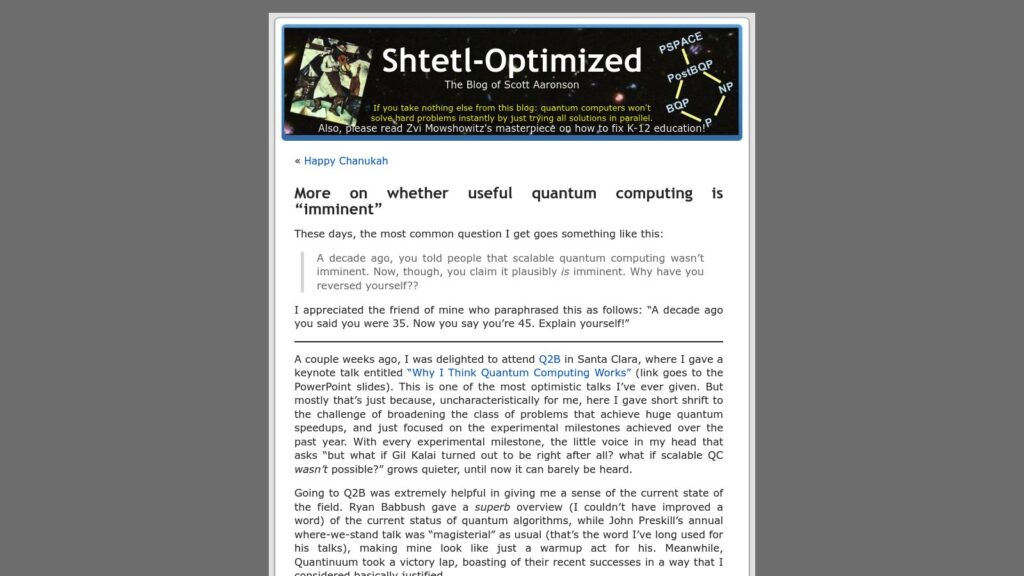
More on Whether Useful Quantum Computing Is “imminent”

Scott Aaronson's blog discusses the evolving outlook on quantum computing, noting its potential imminence after years of skepticism. He attended the Q2B conference, where he observed significant advancements in quantum algorithms and hardware. Although he remains cautious about exaggerations in the field, particularly regarding claims made by certain companies like IonQ, he acknowledges impressive experimental milestones achieved by players like Google and Quantinuum. Aaronson emphasizes the importance of transitioning to post-quantum cryptography as the field progresses, while reiterating that current practical applications for quantum computing largely remain unchanged from historical predictions. He concludes with a warning about the potential for sensitive estimations regarding the capabilities of quantum systems to not be publicly shared due to security concerns.

https://scottaaronson.blog/?p=9425

Neutral Atom Quantum Computing: 2026’s Big Leap

Next-level quantum computers using neutral atoms as qubits aim for error correction by 2026, led by companies like Microsoft, Atom Computing, and QuEra. Industry views on progress differ, with challenges in speed and commercial viability. Neutral atoms allow for better error correction and scalability. Upcoming quantum machines are expected to have significant advancements but achieving truly transformative technology remains a long-term goal.

https://spectrum.ieee.org/neutral-atom-quantum-computing

Scroll to Top